“Reel” Latin America(n)
Film Festival · 2026
FOR EDUCATORS
Curriculum integration is at the heart of this festival. Each of this year's five films offers material for classroom discussion -- in Spanish, Latin American and Latino Studies, film, sociology, political science, and beyond. Below, for each film: discussion questions, related curriculum tags (from Pragda's own subject categorization), the film's language, and any content note we have on file.
Bringing a class
If you're planning to bring a class to a screening, let us know in advance (course name, section, and approximate headcount) via the Contact page.
Attendance: festival staff take attendance at the door -- you don't need to bring or submit a roster yourself.
📚 Film-by-Film Guide
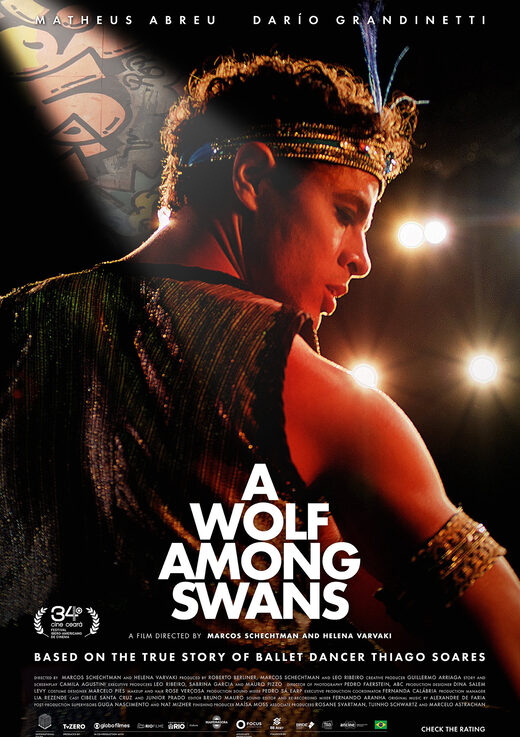
A Wolf Among Swans
Not officially rated; comparable to PG-13.
- How does Thiago's journey complicate assumptions about who "belongs" in classical ballet?
- What role does mentorship -- and its power imbalances -- play in Thiago's transformation?
- How does the film use ballet as a lens for social and economic mobility?

Artificial Justice
Not officially rated; comparable to R.
- What are the risks and appeals of removing human judgment from judicial decisions?
- How does the film dramatize the tension between efficiency and accountability?
- Who benefits from centralizing power in AI systems, according to the film?
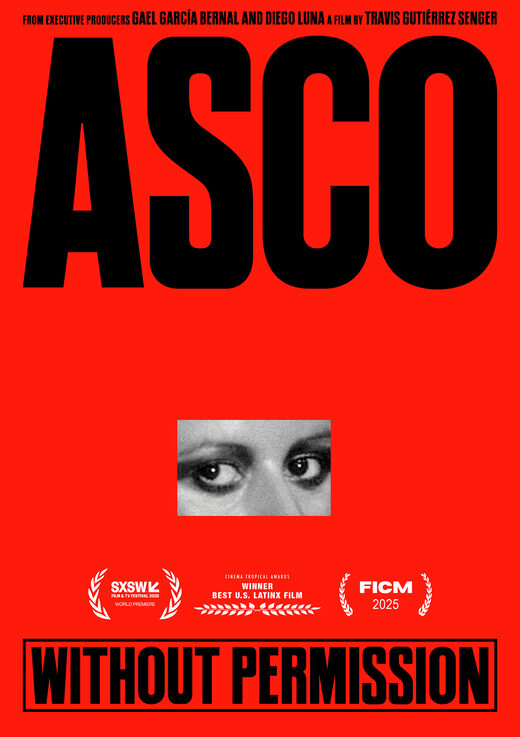
Asco Without Permission
Not officially rated; comparable to R.
- How did ASCO's tactics respond to exclusion from mainstream museums, Hollywood, and media?
- What does the film suggest about the relationship between activism and art-making?
- How does blending documentary and fiction shape our understanding of ASCO's legacy?

Pérez Rodríguez
Not officially rated; comparable to R.
- How does the film use dark comedy to examine family hypocrisy and class aspiration?
- What does the sudden appearance of a half-brother reveal about legitimacy and inheritance?
- In what ways is the story "profoundly Dominican" while also engaging universal themes?
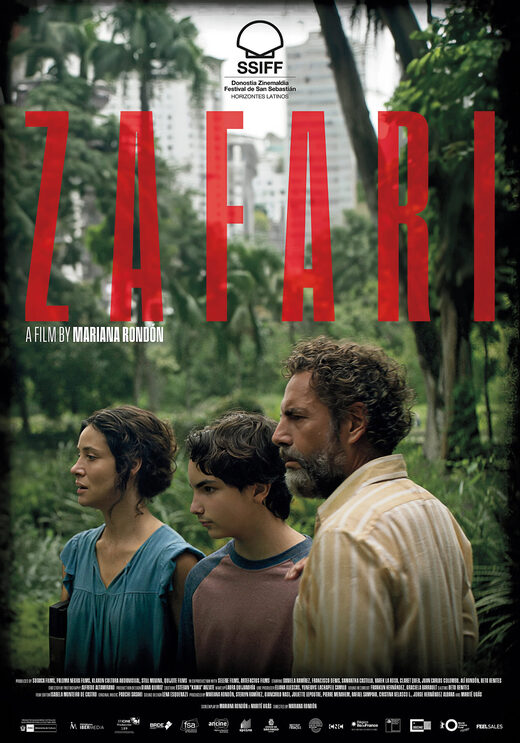
Zafari
Not officially rated; comparable to R.
- How does the film use allegory (the hippopotamus) to comment on inequality?
- What does the family's moral unraveling suggest about survival under scarcity?
- How does Zafari connect to broader patterns of economic crisis in Latin America?
✏️ Activity Ideas
Before the screening: have students briefly research the historical or social context of the film's country of origin, using the curriculum tags above as a starting point.
After the screening: run a small-group discussion using the questions above, followed by a short written reflection connecting the film to your course themes.
These are starting-point suggestions -- if you have activities of your own you'd like included here, get in touch.